
A friend of mine told me this story.
He’d just moved to a new city. In this city, he had a friend he’d stayed in touch with all through the years of being hundreds of miles apart.
He was excited to reconnect. Both felt the reward of keeping a relationship alive when distance made it easy to let it drift.
They’re planners. Within short order, they’d planned a bike ride together.
Early morning, 14 miles through rolling hills and cricket quiet. They set the plan to get rolling a week later.
All week, my friend told new acquaintances and old how excited he was to do this again. He tuned up the bike. Pumped up the tires. Checked water bottle cages and looked at the route.
Less than 12 hours before the ride was kicking off, his buddy messaged.
“I can’t bring myself to do it.”
He had the typical reasons…
Life’s busy
Behind at work
House is a mess
Do any excuses outside of health or some act of God actually suffice?
No.
He flaked. But it wasn’t last-minute.
We think it is, and that’s wrong.
As a former flake myself, I can tell you the problem isn’t that.
The true problem is the Reflexive Yes.
The Reflexive Yes: What is it?
Flaking doesn’t happen at the last minute.
Whether you’re getting stood up on a date or seeing plans you made months in advance get a last-minute message that it’s not happening because something came up…
Nothing came up.
It happened in the beginning.
The Reflexive Yes is what we do because it’s easy.
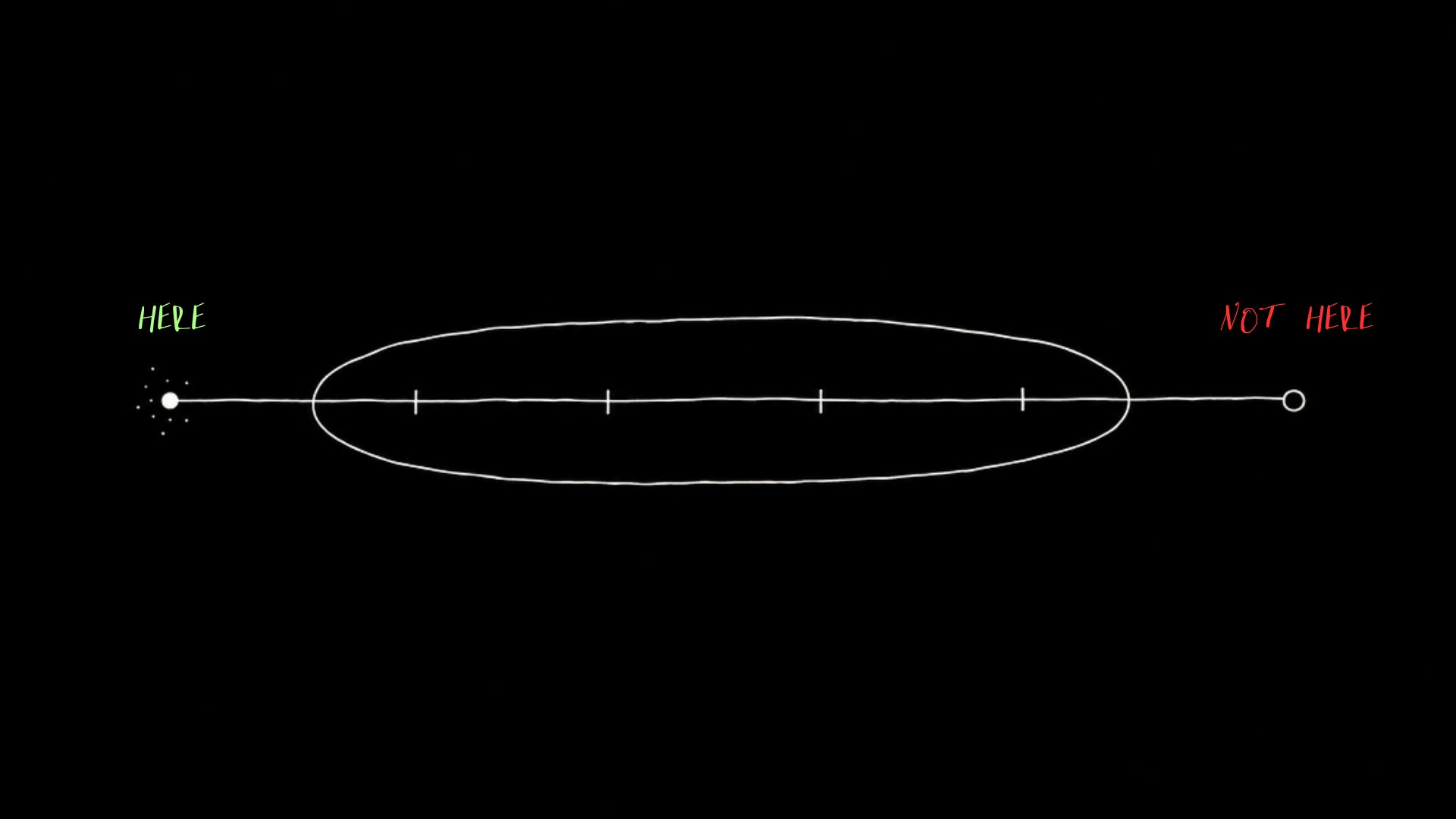
Like water, we’ll flow through the path of least resistance.
Simply put, these are dopamine decisions.
Over years of grabbing coffee with hundreds of people, you can spot dopamine deciders quickly.
On the tail end, they’ll say things like…
“I tried it, but it didn’t work.”
“I wish I’d had more time.”
“I needed a better plan.”
These are smokescreens for the true problem:
When you say yes in the moment, you haven’t thought it through.
So, let’s think. My friend made plans with his buddy for this bike ride. Plans are exciting. Easy. “Let’s do it!”
But there’s a reason for that. The conversation is the entry point to work. And people don’t like work.
I was like this in my past life. I’d say yes to things that felt like opportunities.
Being in the business world, that looked like:
Take on this new marketing strategy
Create a new offer
Start a podcast
Partner up
Easy and exciting dopamine decisions.
But much like a small impulse purchase can lead to buyer’s remorse in as little as 30 minutes, once the luster of the exciting decision wears off, we’re left with the work.
A Reflexive Yes lives in the immediate excitement, not that forecasted expense.
What it looks like
So, we say yes right away. We put it on our calendars. We keep up with the messages.
Behind the scenes, we’re talking to ourselves. We begin working out scenarios in our heads.
We have full-on conversations with ourselves about how we can back out of it and still feel like the good guy.
In my 20s, I expended a lot of mental energy in this space.
I’d say yes to something that sounded exciting—often a party or project.
Then, the conversation would end, and I’d walk away. The person who was in the dopamine environment could get along with it. Still, when I left that environment and became my natural introverted self, I’d think about all the things I’d not want to experience.
Going to a party meant talking to people, figuring out what to wear, deciding whether I should arrive on time or fashionably late, messaging around to see who else was going, and figuring out whether I’d have to spend what little money I had to fit in…
Mental death by 1000 cuts.
The Hollow Flake
This is a very human pattern.
We’re reflective and regretful beings. Ordering something on the menu that sounds good and feeling like we should have chosen something after the fact.
But this makes sense. Social media has trained us to avoid conflict and friction.
Don’t like this post? Scroll on by.
Don’t vibe with this person’s message anymore? Unfollow in a single click.
Feeling like your business needs more leads? The algorithm will catch on in minutes and start feeding you systems, coaches, and downloads ready to buy on the dopamine high… then leave them sitting in your inbox for months, untouched.
It’s so easy.
During the pandemic, because we were all bored and had no idea what we wanted to do with our lives — we also craved connection hard — hundreds of thousands of podcasts got started.
Over 5 years later, very few of them still exist.
The same impulse that makes your bored mind say, “Let’s start a podcast!” makes it easy to say yes when someone invites you to grab coffee… and minutes later you’re dreading the commute and the expense, and realizing you’d rather spend your time differently.
So you flake.
We’ll justify it. I always did. And somehow we convince ourselves that we’re not the bad guy when we do.
But we are.
And here’s why:
When you commit to something, you’re telling the other person this matters to you. “My time is important, and I’m presuming yours is too. When I say yes, I’m saying yes to you.”
When you flake, you’re telling them that how you spend your time today matters more than what you committed to.
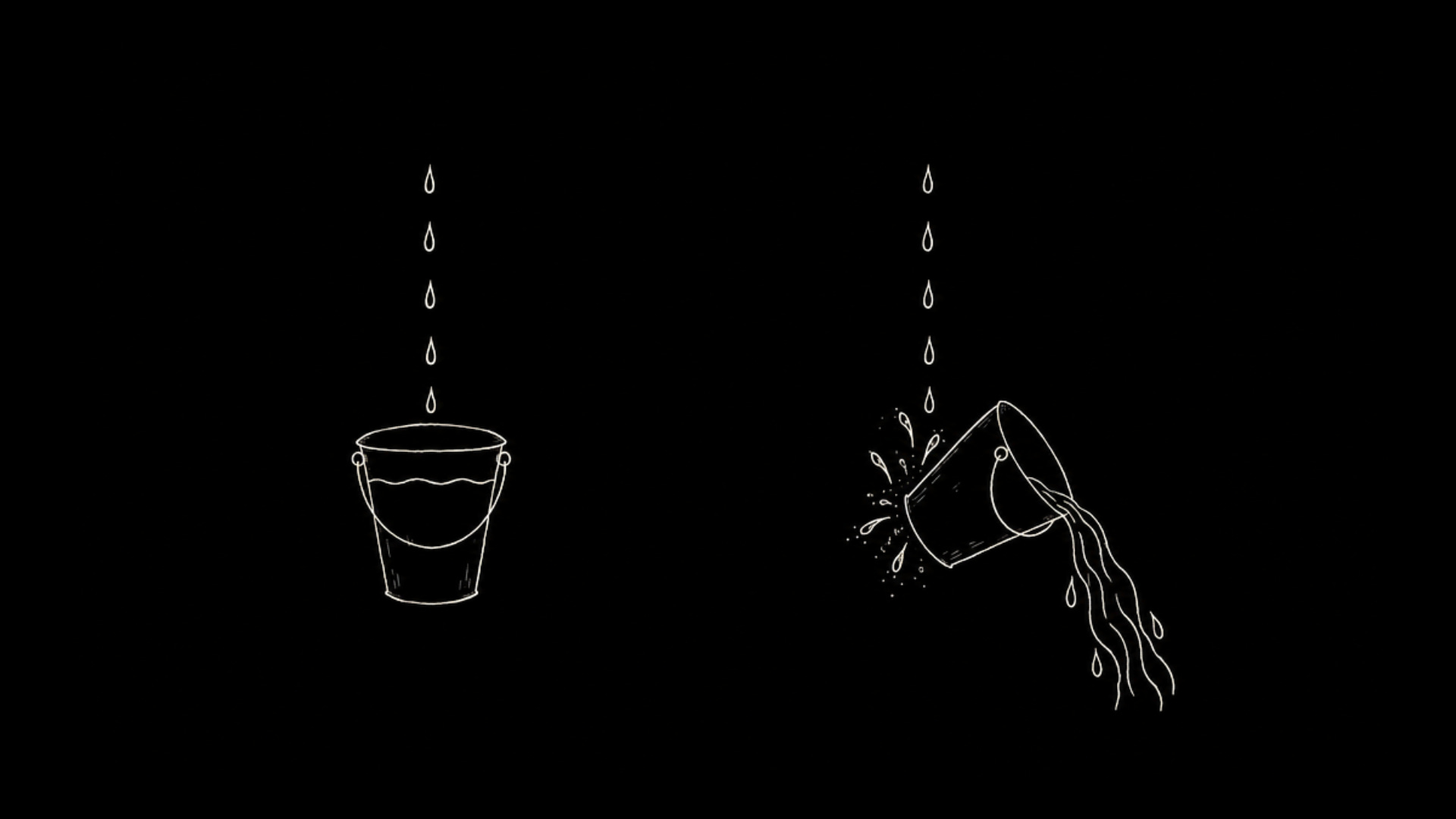
Trust is earned in drips and lost in buckets.
When you flake, you lose a bucketful of trust.
Years ago, living in Minnesota, I’d make plans with people all the time. As someone from out of state, I craved to create a friend group.
But too often, after making plans, I’d get ditched at the last minute because their high school friends wanted to hang instead.
A perfect example of subtly telling someone: “I’ve got bigger fish to fry.”
The Real Cost
The external cost is the relationship eroding.
Each flake moves the relationship further from guest and closer to stranger. The temperature drops, and it doesn’t come back up.
You look inward and wonder what you did wrong. You get plain annoyed at the other person—or both.
There are no winners.
The internal cost is worse. Every hollow yes trains you to be someone whose word doesn’t hold. You start justifying. “The day got away from me.” “Something came up.” “I’ll make it next time.”
Slowly, you become a person people don’t rely on.
But the Reflexive Yes isn’t just surrender to any whim that flies in front of your face.
Mostly, it’s a failure of self-trust.
We have FOMO. We convince ourselves that if we don’t jump at the opportunity in the moment, we’ll miss it for good.
I lived like that for decades, then switched to what I’m about to tell you. I can’t say I’ve had any less opportunity since making that change.
You need to pause.
I’ll tell you how in just a sec, but here’s why you don’t do it:
You don’t trust yourself to survive the discomfort of pausing. You don’t trust yourself to say “not right now” and believe the relationship will hold.
So you say yes to avoid the friction, then you flake because the yes was hollow.
It’s a loop.
You can’t trust yourself to pause, so you say yes.
The yes is hollow, so you flake.
The flake erodes trust, yours and theirs.
Now you trust yourself less.
So the next yes comes faster, and it’s hollower…
The loop is the trap.
We’ll fix the trap because the cost of not fixing it is real.
If you’re the one flaking, you’re training yourself to be someone people don’t trust.
If you’re the one being flaked on and saying nothing, you’re training other people to see your time as negotiable.
Both roads lead to the same place: hollow commitments and eroded trust. But the fix is different depending on which side you’re on.
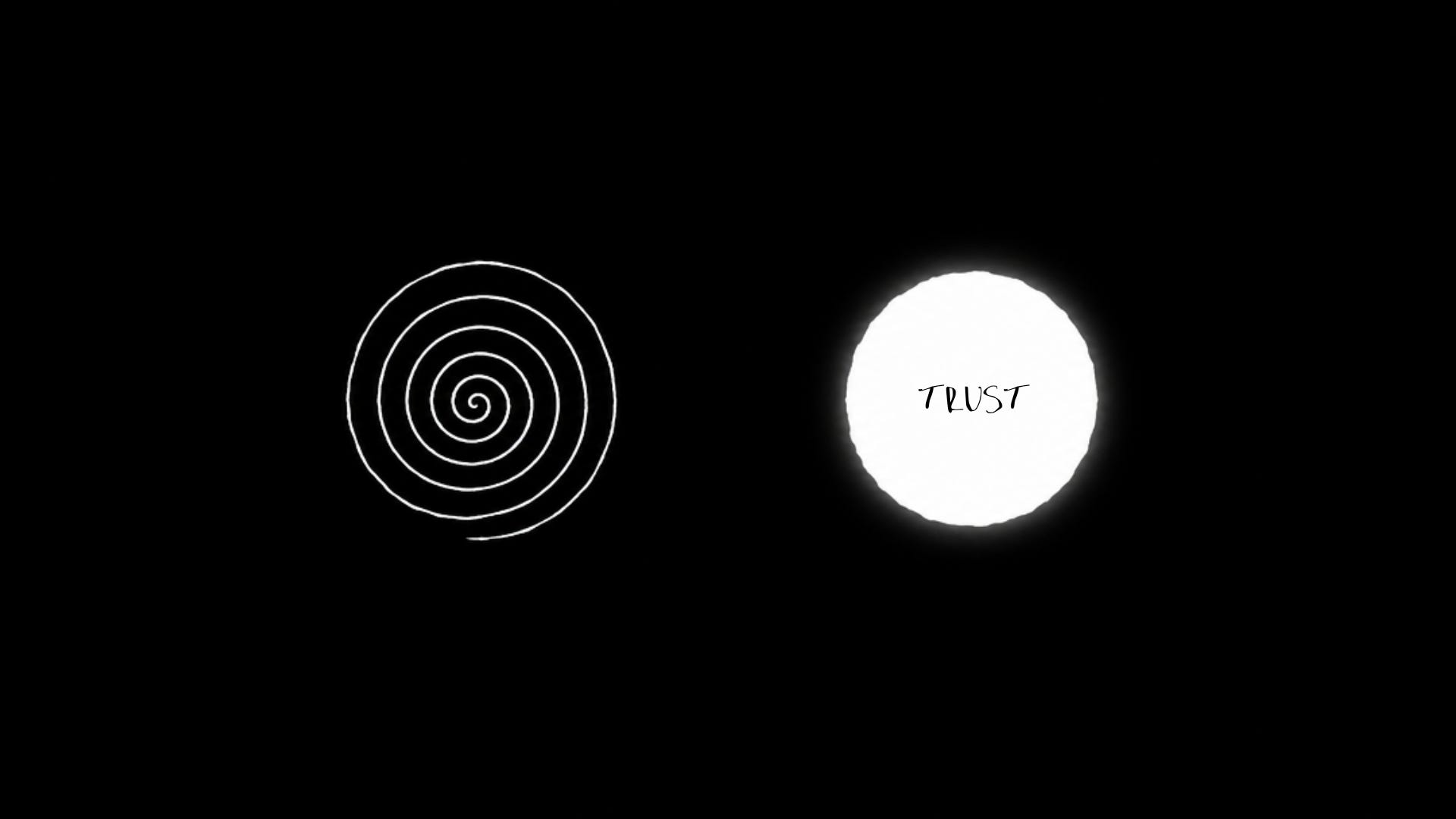
If you’re the flaker, the fix is simple. Stop making commitments you can’t keep. Before you say yes, ask: do I actually want to do this? Will I actually follow through? Is this a yes I can honor, or a yes I’ll regret?
If you’re the one being flaked on, the fix is harder. You have to tell the truth.
That’s what happened after the bike ride. My friend talked to his buddy. He didn’t accuse. He didn’t vent. He spoke from his own boundary: I was really excited about this. I was looking forward to it. I don’t want to get to a point in our friendship where I second-guess whether plans will actually happen. I’m fine if you take more time. I’m fine if you say no. I need to know the commitment is real.
That’s respect. Respect for yourself, because your time matters. Respect for the friendship, because you care enough to tell the truth instead of letting it rot.
Being immediately nice and being long-term nice are different skills. Most people optimize for the first one. The second one is what holds relationships together.
So what do you do when someone asks you to commit, and you’re not sure?
The Mechanism
Cal Newport has a method in his book Slow Productivity. When someone asks you to do something, you don’t say yes. You don’t say no. You say:
Thank you for thinking of me. Let me look at my schedule, and I’ll get back to you within 24 to 48 hours.
Then you actually look at your schedule. And you come back with the truth:
I’d really love to commit to this. Here’s what’s currently on my plate. That means I can’t do this for six weeks.
The pause is the mechanism. It converts a reflexive yes into a scrutinized one.
It’s far better to pay a peace-of-mind tax than a bottleneck tax.
The 24-hour pause is a peace-of-mind tax. Small, upfront, deliberate. Ten seconds of mild discomfort in the moment.
The last-minute flake is a bottleneck tax. Downstream, compounding, relational. It costs the friendship.
You pay either way.
One costs minutes of honesty. The other costs a relationship.
The pause gives them clarity. Clarity is respect. And trust is built on respect.
Move from a Reflexive Yes to a Scrutinized Yes, and you’ll compound positives, not negatives.
Start now
You have to trust yourself enough not to give somebody exactly what they want in the moment, and still be okay. The relationship can hold. You can say “not right now” from a place of respect. You can be honest about your plate without being a dick.
The pause is the warmest thing you can do because it means when you finally say yes, you mean it.
Your word is the one thing you can’t reschedule. Yet, that’s usually the first thing people sacrifice.
The fire at work can wait an hour. You can’t rebuild the bike ride once it’s gone.
The friendship can’t return to its previous temperature once trust has been eroded.
It’s simply not worth the sacrifice.
If you’re going to pay a tax — and we’ve established you will — pay it in up-front scrutiny, not dopamine that leads to erosion.
◬
It’s free. No spam. Unsubscribe whenever.